Every brand today wants to win the top spot on Google. But which path gets you there faster and smarter—SEO or SEM?
Here we are having an analysis on both SEO and SEM in 2025 and beyond. In the end you will be able to identify which suits your business finest.
What Is SEO? (Search Engine Optimization)
SEO helps to improve ranking of your website on search engines naturally. That means that you are visible online relevance and quality.
SEO is all about:
Optimizing your website’s content
Earning backlinks
Using the right keywords
Improving user experience
Creating useful, trustworthy, and engaging content
In 2025, Google uses AI like Search Generative Experience (SGE) to answer queries. This means your content must not only rank but also be eligible for featured results and AI-generated summaries.
Benefits of SEO:
Long-term results
Builds credibility and trust
Higher ROI over time
Supports brand awareness
What Is SEM? (Search Engine Marketing)
SEM is about paying search engines to display your ad on top while users search for certain keywords. It is often called Pay-Per-Click (PPC). Platforms like Google Ads or Bing Ads allow businesses to target specific keywords and audience segments. You bid for keywords.
Benefits of SEM:
Instant visibility
Highly targeted campaigns
Great for product launches or seasonal offers
Easy to track and optimize
SEO vs SEM: Key Differences You Should Know

Which One Is Better for 2025?
Ask Yourself:
Do you need results fast? → Go SEM
Are you building long-term credibility? → Go SEO
Is your budget limited? → SEO wins in the long run.
Are you launching a time-sensitive campaign? → SEM is better.
With Google’s AI-driven SERPs evolving, a hybrid approach—SEO + SEM—might be your best shot.
Why SEO Still Relevant in the AI Age
With the rise of SGE and AI Overviews, Google now gives summarized answers right on the results page. So, your content should be:
Authoritative
Well-structured
Clear and concise
Based on real expertise (E-E-A-T: Experience, Expertise, Authority, Trust)
Focus on answering questions directly. Use headings like “What is,” “How to,” and “Why does.” These trigger featured snippets and AI panels.
Why SEM Is a Power Tool for 2025 Campaigns
In a fast-moving market, SEM can get your product in front of buyers today. It also offers:
Location targeting
Device-specific ads
Performance tracking in real time
A/B testing for optimization
And with Generative Engine Optimization (GEO), ad content must now align with conversational search and AI-generated queries. Think in natural, human-like language.
AEO + GEO: The Future of SEO & SEM
AEO (Answer Engine Optimization):
Write to answer, not just to rank. Be direct. Be clear. Be complete.
Instead of:
“Digital marketing services include various methods…”
Try:
“What are digital marketing services in 2025?”
Use schema markup to highlight:
FAQs
How-tos
Reviews
Products
GEO (Generative Engine Optimization):
Google’s AI pulls answers from multiple sources. Structure your content to show:
Context
Trust signals (author bio, sources)
Recency (last updated)
Multimedia (videos, infographics)
When to Use SEO, SEM or Both?

Real-World Example:
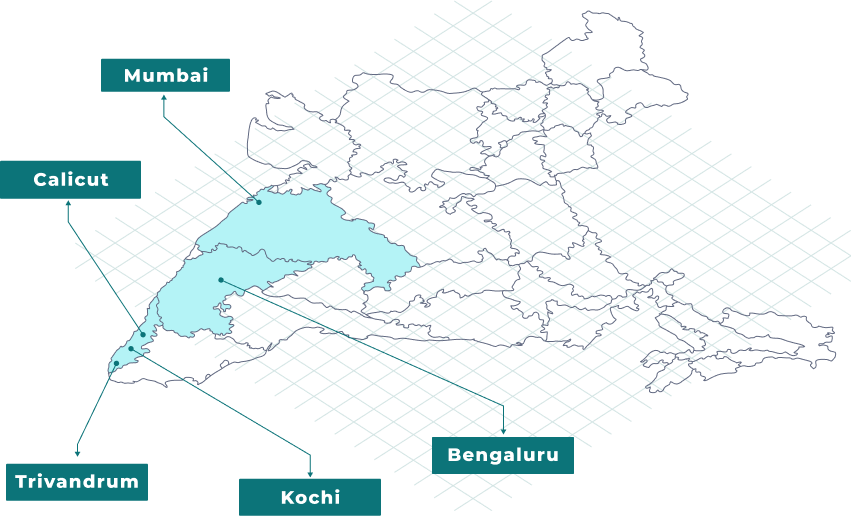
Let’s say you’re an organic skincare brand in Kochi.
SEO can help you rank for “Best natural face cream in Kerala.”
SEM can run Google Ads for “Buy herbal face cream – 20% Off Today.”
Combine both, and you’re seen by buyers at every stage of their journey.
Quick SEO + SEM Tips for 2025
Use casual questions like (How do I…, What is the best…)
Add author bios and sources for E-E-A-T
Keep your answers under 50 words for featured snippets
Update blog content regularly—freshness counts
Optimize for local search if you’re a regional business
Conclusion: The Final Verdict
So, which is better—SEO or SEM?
The truth is, they work best together.
SEO builds your brand and organic reach over time. SEM gives you instant traffic and sales. In 2025’s AI-first digital world, blending both is your edge.
Whether you’re a startup or a seasoned brand, the smart move is to invest in both, based on your goals, budget, and timeline.
Need help with SEO or SEM for your business? Start with a quick audit and identify your biggest gaps today.